 Quest-Hero
The Ultimate Guide to an Athletic Scavenger Hunt: Ideas, Examples, and Tips
07.11.2025
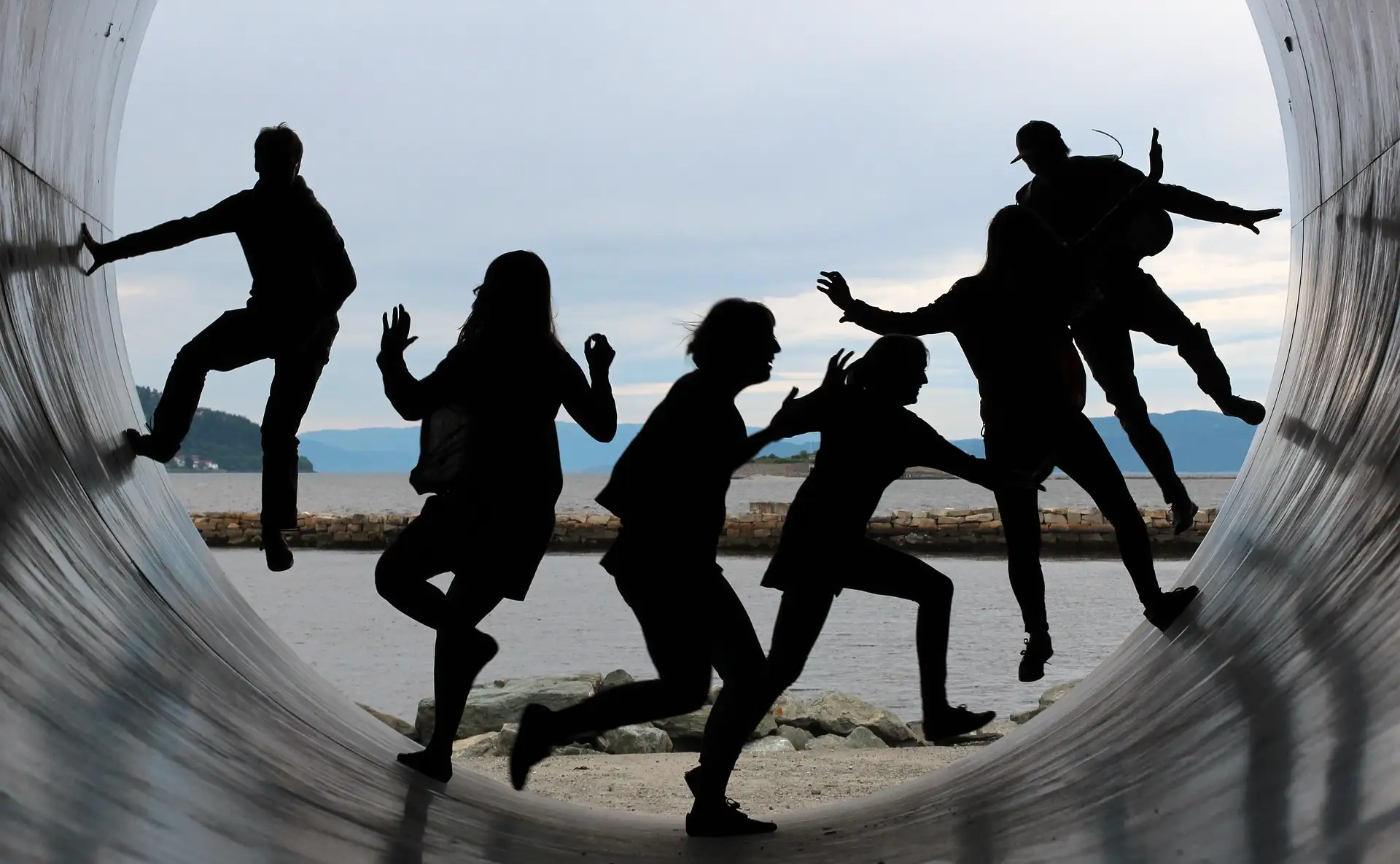
Scavenger hunts are a timeless activity that kids of all ages love. Whether in the backyard, at a local park, or around the neighborhood, hunting for clues and solving puzzles sparks a sense of adventure. But what if you added a dash of action to this classic game? By incorporating physical challenges, a scavenger hunt becomes not just exciting, but an active experience that promotes movement, team spirit, and pure fun.
In this article, I’ll show you exactly how to plan and execute a scavenger hunt packed with athletic challenges. From picking the perfect location to creative activity ideas and practical tips for organizers—you’ll find everything you need for an unforgettable event right here. Get inspired and design your own action-packed adventure!
Why Add Athletic Challenges to a Scavenger Hunt?
Adding a physical element brings a ton of benefits that take a standard scavenger hunt to the next level:
Movement and Health: It encourages physical activity, which is super important for kids to burn off excess energy and support a healthy lifestyle.
Teamwork: Many physical challenges require collaboration, which strengthens group bonding and friendships.
Fun and Variety: It keeps the energy high and prevents boredom by mixing up mental puzzles with active play.
Motivation: Staying moving keeps participants wide awake and fully engaged in the game.
Whether for birthday parties, school field trips, or team-building events, athletic challenges turn every scavenger hunt into a highlight reel.
Planning an Active Scavenger Hunt
A successful hunt requires some prep work. Here are the key aspects you should keep in mind:
1. Choosing the Location
Pick a spot with enough room for physical activities. Great locations include:
Parks or Playgrounds: These offer open spaces and often have built-in equipment you can use.
Nature Trails or Woods: Perfect for adventurous tasks like climbing or navigating obstacles.
Your Neighborhood or Backyard: You don’t always need to travel far; a large backyard or a safe cul-de-sac works wonders.
Make sure the area is hazard-free and keep an eye on the forecast. Having a rain plan is always a smart move!
2. Know Your Participants
Tailor the challenges to the age and fitness level of the kids:
Young Kids (4-10 years): Keep it simple with hopping, skipping, or balancing.
Tweens & Teens: They can handle more complex tasks like relay races or fitness challenges to keep them motivated.
Adults: If parents are joining in, add longer running distances or tougher strength challenges.
For mixed groups, try to include a variety of tasks so everyone feels included.
3. Safety First
Safety is the number one priority:
Clear Instructions: Explain every challenge clearly to avoid confusion or accidents.
Supervision: Make sure there are enough adults around to keep an eye on things, especially with younger children.
Equipment Check: Ensure all gear (like balls, ropes, or cones) is safe and in good condition.
First Aid: Have a basic First Aid kit handy and know where the nearest help is, just in case.
4. Gear and Prep
Depending on your challenges, you might need:
Cones, jump ropes, or nets for obstacle courses.
Balls or frisbees for mini-games.
Markers (like sidewalk chalk or flags) to outline the route.
Do a dry run of the route and tasks beforehand to ensure everything flows smoothly.
Ideas for Athletic Challenges
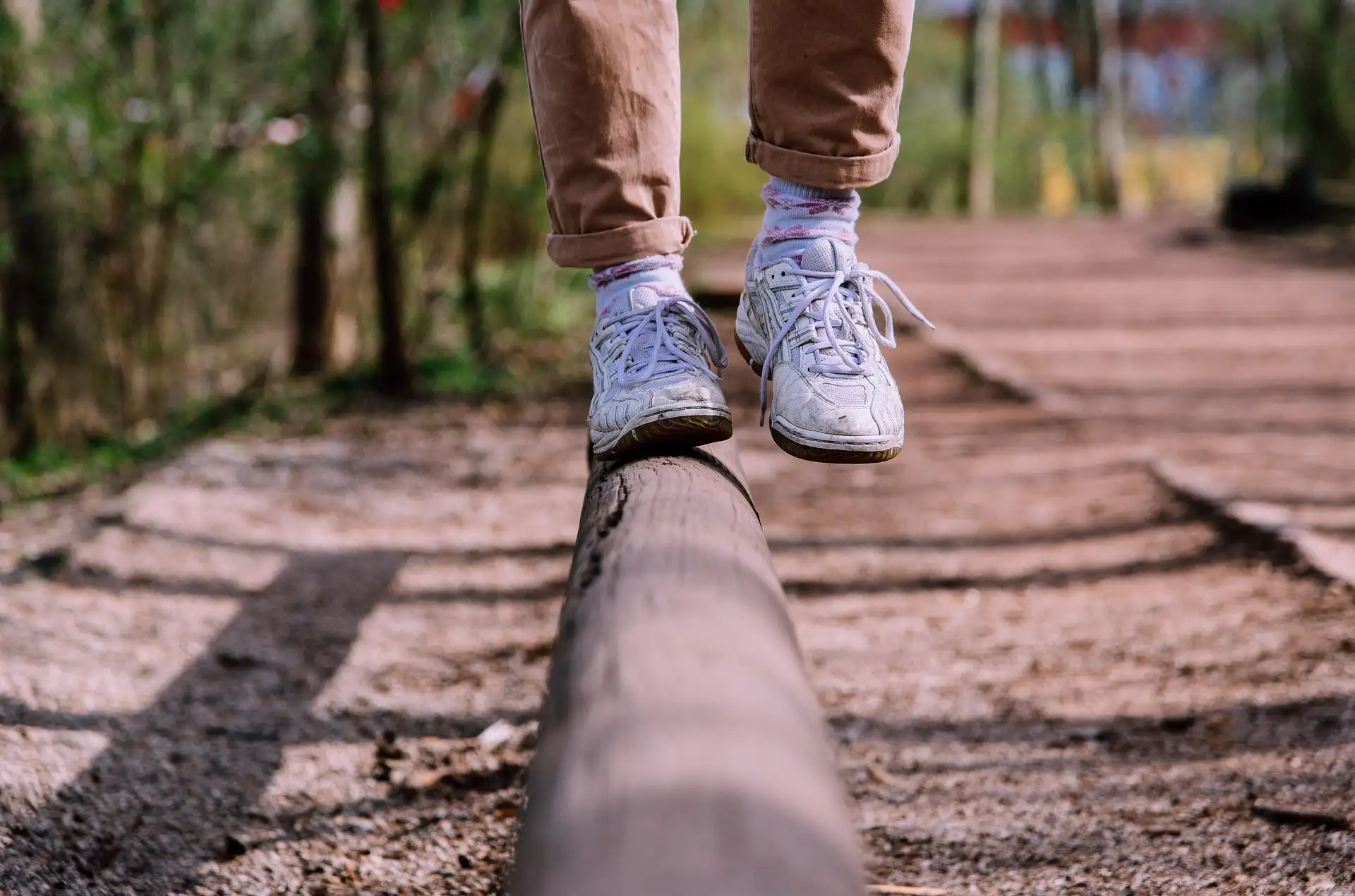 Physical tasks can range from simple exercises to complex challenges. Here are some categories to get you started:
1. Obstacle Courses
An obstacle course is always a crowd-pleaser that tests agility and endurance. Examples:
Crawling under a net or a string "laser maze."
Jumping over hurdles made of cones or boxes.
Balancing along a curb or a wooden beam.
2. Relay Races
Relays encourage teamwork and are easy to set up:
Passing a baton (or a funny object) over a certain distance.
Completing a chain of movements (e.g., run, jump, throw) before tagging the next person.
3. Fitness Challenges
Standard exercises are flexible and need very little equipment:
A set number of push-ups, sit-ups, or burpees.
Doing jumping jacks or squats to unlock the next clue.
4. Mini Sports Games
Inject some friendly competition into the hunt:
Shooting a layup at a basketball hoop.
Kicking a soccer ball into a goal.
Throwing a frisbee at a specific target.
5. Endurance Tasks
Keep the participants moving between clues:
Running or jogging to a landmark to find a hint.
Climbing a hill or a set of stairs.
6. Balance and Coordination
These tasks focus on skill over speed:
Walking heel-to-toe on a straight line.
Standing on one leg like a flamingo for a set time.
Examples of Scavenger Hunt Challenges
Here are concrete examples of physical tasks you can drop right into your game plan:
Task Description One-Legged Hop Hop on one leg from Point A to Point B (e.g., 30 feet). Jumping Jacks Every team member does 20 jumping jacks together. Crab Walk Crab walk from one marker to another (e.g., 15 feet). Somersault Time Each participant does a forward roll on the grass. Three-Legged Race Two kids tie one leg together and walk/run 30 feet. Spider Web Climb Climb through a "web" of strings tied between trees without touching them. Duck Walk Waddle like a duck from Point A to Point B. Tuck Jumps Each kid does 10 high tuck jumps. Over the Hurdle Climb over an obstacle (like a park bench or a log). The Floor is Lava Move from Point A to Point B without touching the ground (using stepping stones, benches, etc.).
You can place these challenges at specific stations, where the next clue is only handed over once the physical task is complete.
Tips for Organizers
 To ensure your scavenger hunt is a total home run, keep these tips in mind:
Mix It Up: Combine active challenges with brain teasers (like trivia) or creative tasks (like taking a funny team photo) to keep things dynamic.
Time Management: Plan the total duration (e.g., 1-2 hours) and set time limits for tasks so the game keeps moving.
Inclusivity: Have alternative tasks ready for participants with different physical abilities so everyone can play.
Capture the Moment: Encourage teams to take photos or videos of their challenges—these make great memories later!
Prizes and Rewards: Small rewards (like medals, stickers, or a treat at the end) go a long way in keeping motivation high.
Test Run: Walk through the course yourself beforehand to make sure the clues make sense and the physical spots are safe.
Conclusion
A scavenger hunt with athletic challenges is a fantastic way to combine fun, fitness, and adventure. Whether it’s for a birthday party, a scout meeting, or just a fun weekend activity, with the right planning and creative tasks, you’ll create an experience the kids will talk about for weeks. For an active scavenger hunt that’s low on stress and high on fun, Quest-Hero is a great digital solution. Gather your clues, set up your challenges, and launch an action-packed adventure!
Do you have your own ideas to share, or have you already organized an active scavenger hunt? Let us know and inspire other parents to get outside and play!