 Quest-Hero
The 'Anti-Resolution' Guide: 5 Outdoor Rituals That Actually Stick in 2026
31.12.2025

Most parenting advice is wrong about January.
We are told to set big, ambitious goals. We buy the planners. We download the apps. We promise that this is the year we become the family that hikes every weekend and never yells.
Then 'Quitter's Day' arrives.
Statistically, the second Friday of January is when most people abandon their resolutions. By February, 80% of those shiny new goals are dead. Why? Because resolutions rely on willpower, which is a finite resource. You run out of it right around the time the kids start fighting over who touched whom in the backseat.
I stopped making resolutions years ago. Instead, I started building rituals.
If you are feeling the crushing weight of the '18 Summers Reality'—the fact that you have a limited window to make memories before your kids leave home—you don't need another failed gym membership. You need a system that runs on autopilot.
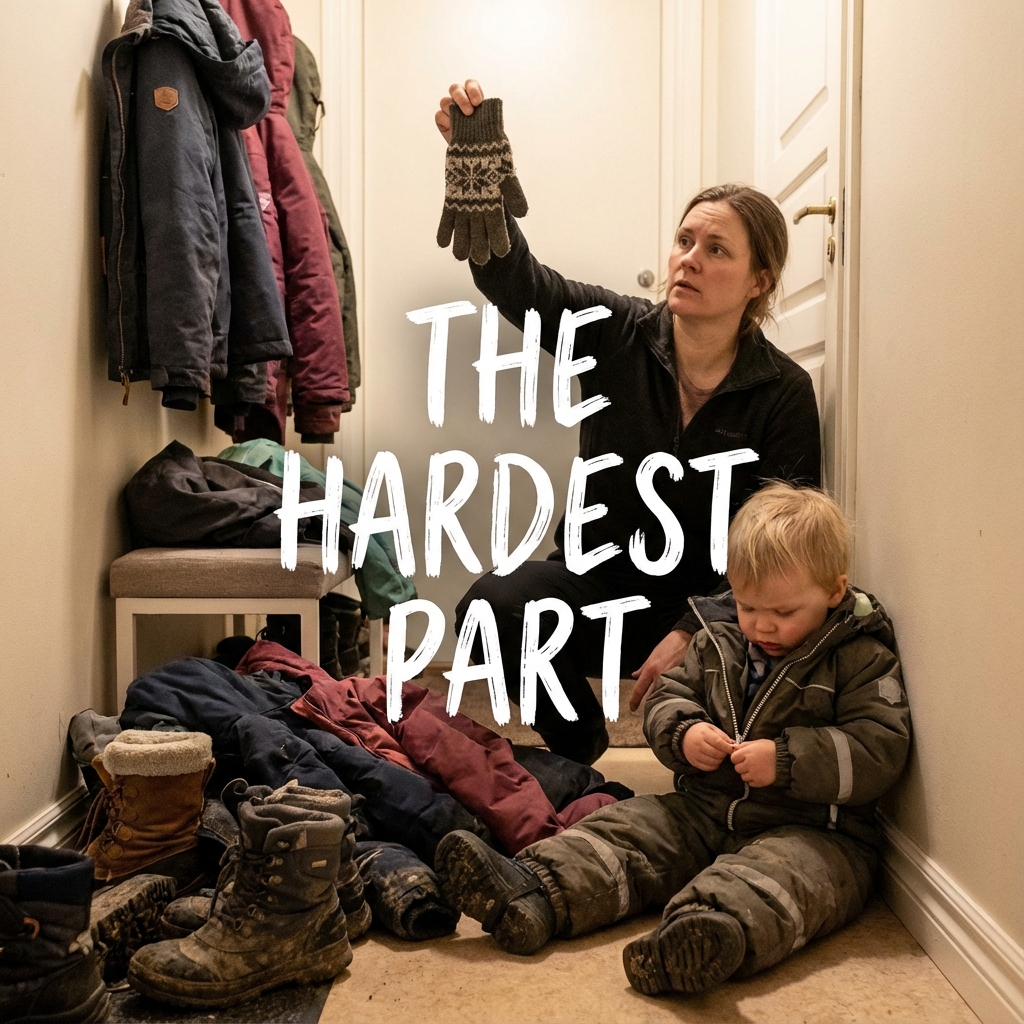
Here are five outdoor rituals that bypass the need for willpower and actually stick.
1. The 'Family Quest Night' (Rebranding the Walk)
Let's be honest: asking kids to go for a 'walk' is like asking them to do taxes. It sounds boring. It sounds like exercise.
But a Quest? A Quest is urgent.
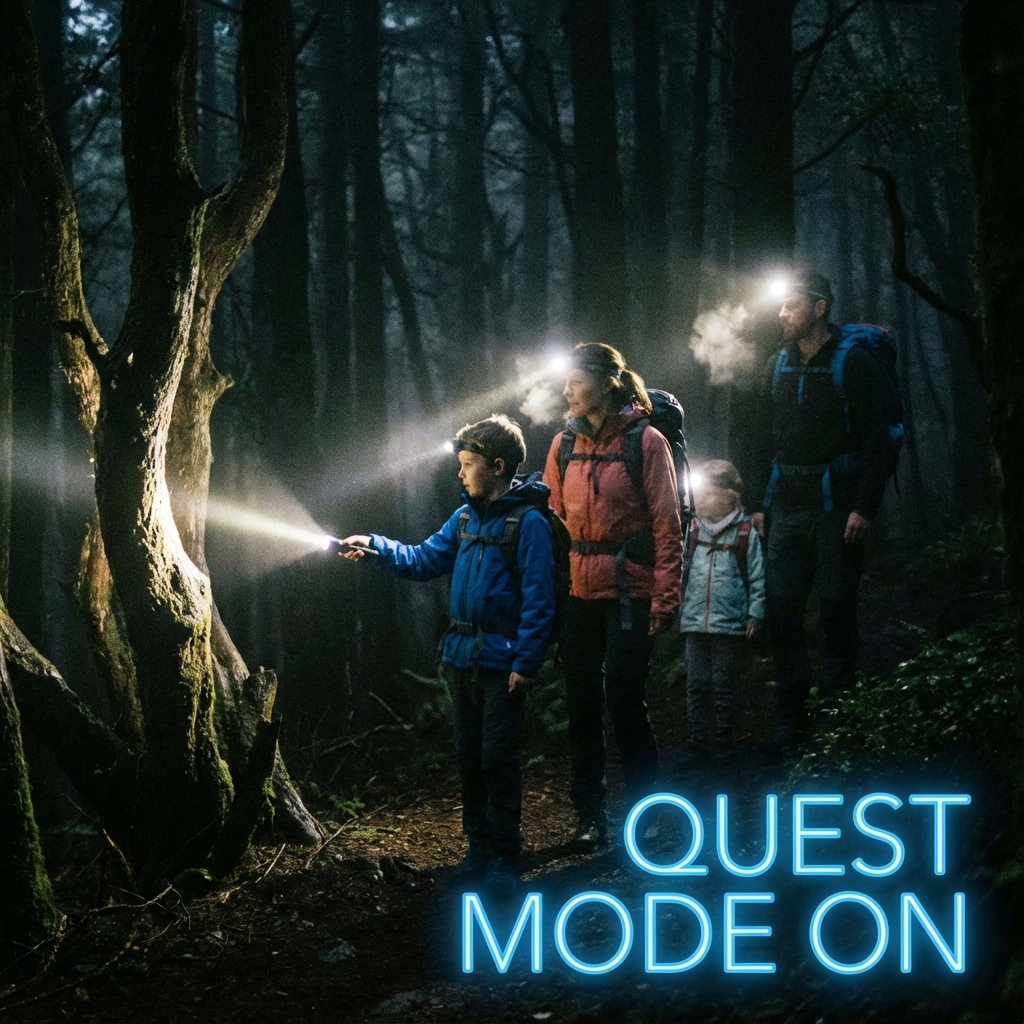
We started the 'Friday Night Flashlight Quest' three years ago. It’s simple: we go to the local nature trail after dinner. In the winter, it's pitch black at 5 PM. To a child, the familiar park transforms into a mysterious alien planet when viewed through the beam of a headlamp.
The Rules of the Quest:
- Gear Up: Everyone gets a light. No exceptions.
- The Mission: Find three specific things (e.g., 'eyes' reflecting in the trees, a white rock, an owl sound).
- The Reward: Hot chocolate in the trunk of the car only if the mission is complete.
This taps into the 'Screen-time Guilt vs. Outdoor Hero' dynamic. You aren't dragging them away from screens; you are equipping them for a night mission. It’s a micro-gamification strategy that turns resistance into excitement.
2. The 'Bad Weather' Badge
"It's too cold." "It's raining." "It's too muddy."
These are valid complaints for adults. For kids, they are features, not bugs. The biggest barrier to outdoor time in January isn't the weather; it's our own adult discomfort.
We introduced the 'Weather Warrior' concept. We treat terrible weather as a boss battle. If we go out when it's sunny, that's Level 1. If we go out when it's raining sideways? That's Level 50.
How to make it stick:
- Invest in the 'One Good Layer': You don't need expensive gear for everything, but dry feet are non-negotiable.
- Short Bursts: A 15-minute stomp in a downpour counts. It’s better than zero minutes.
- The Reframing: When a child complains about the cold, ask, "Do you think you have enough HP (Health Points) to handle this temperature?"
Reflection Question: When was the last time you let your kids get wet and muddy without worrying about the laundry?
3. The 'Secretly Educational' Bird Count
Most educational activities feel like school. This one feels like Pokemon Go.
January is prime time for birding because the leaves are off the trees, making it easier to spot wildlife. We use the 'Merlin Bird ID' app (which listens to bird calls and identifies them). It feels like magic technology, which hooks the screen-obsessed brain, but it forces their attention upward and outward.
The Ritual: Every Sunday morning, we spend 20 minutes filling our 'collection'. We don't call it learning. We call it 'completing the Pokedex'.
This hits the 'Secretly Educational' hook hard. You know they are learning ornithology and patience. They just think they are collecting rare assets.
4. The 'Dark Sky' Decompression
The post-school crash is real. Kids hold it together for six hours in a classroom, then explode the second they get home. The standard reaction is to turn on the TV to numb out.
Try this pattern interrupt instead.
For the month of January, we do 'Star Gazing Tuesdays'. We drive 10 minutes out of the city lights (or just lie on the trampoline with blankets). We look up. We breathe.
It sounds too simple to work, but the physiological effect of looking at a vast, dark sky triggers a sense of awe that lowers cortisol. It resets the nervous system faster than any cartoon.
5. The 'Sunday Reset' Fire
This is the anchor of our week. It combats the 'Sunday Scaries'—that anxious feeling before the work/school week starts.
The Ritual:
- 4:00 PM: Head outside.
- 4:30 PM: Light a fire (fire pit, grill, or portable stove).
- 5:00 PM: Cook something simple on a stick.
Fire is primitive TV. It gathers the family in a circle. There is no agenda. We just sit. The conversations that happen around a fire are different from the ones that happen around a dinner table. The lack of eye contact (staring at the flames) makes it safe for teenagers to open up.

Your First Mission:
Don't try to do all five. That's a resolution. Pick one ritual.
Your quest for this week is to execute one 'Flashlight Walk'. Put it on the calendar. Hype it up. Buy the marshmallows.
Level 1 starts now.
Sources: